Siem Reap Real Estate 2026: Why the New Expressway Could Spark the Next Property Boom
From Angkor Wat to infrastructure growth—here’s why investors are watching Siem Reap closely again
Overview: Siem Reap Is Rising Again
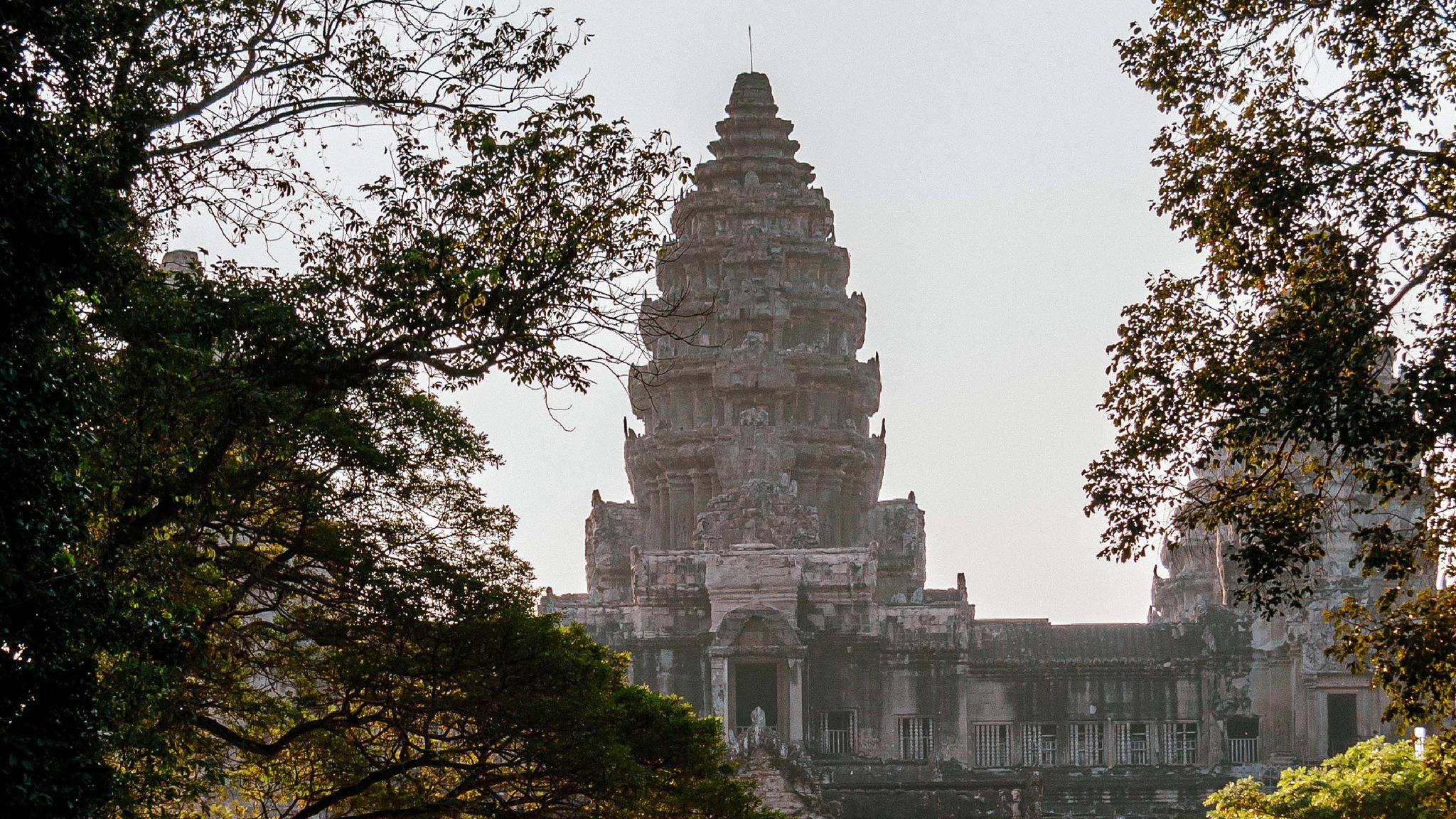
Siem Reap—home to the iconic Angkor Wat—has long been one of Southeast Asia’s most visited destinations. Known for its rich culture, historic temples, and vibrant tourism scene, the city is once again gaining momentum after the global slowdown caused by COVID-19.
With tourism steadily recovering and major infrastructure plans underway, Siem Reap is entering a new growth phase—one that is catching the attention of both local and international property investors.
The Game Changer: Phnom Penh–Siem Reap Expressway
A proposed expressway connecting Phnom Penh to Siem Reap is currently in the feasibility stage—but its potential impact is already significant.
Why this matters:
Faster travel: Expected to cut travel time dramatically between major cities
Tourism boost: Easier multi-city travel for visitors
Economic flow: Stronger connection between key economic zones
Regional access: Potential linkage benefits extending toward Sihanoukville
For investors and developers, infrastructure like this often signals early-stage opportunity—before prices fully rise.
Tourism Recovery = Real Estate Growth
Before the pandemic, Siem Reap attracted millions of visitors annually. Today, tourism is rebounding—and infrastructure development is accelerating that recovery.
What this means for real estate:
Increased demand for hotels, serviced apartments, and Airbnb-style units
Growth in retail and lifestyle developments
Rising interest in second homes and retirement properties
More confidence from foreign investors
As tourist numbers grow, so does the demand for accommodation, services, and lifestyle experiences—fueling real estate expansion.
Emerging Property Developments to Watch
Several projects already highlight the shift toward modern, lifestyle-focused developments:
Rose Apple Square
Located in the city center near Pub Street
Walkable lifestyle with strong tourist appeal
Blends traditional Khmer elements with modern design
Ideal for short-term rental investment
Bakong Village
Set in a greener, more tranquil environment east of the city
Large-scale community (7 hectares, ~350 units)
Focus on community living and long-term residential demand
These projects reflect two key investment directions: 👉 Urban lifestyle living vs. suburban community growth
Is Now the Right Time to Invest in Siem Reap?
Short answer: Yes—if you enter early.
The expressway project is still in planning, but markets tend to move before completion. Combined with tourism recovery, Siem Reap is positioning itself as:
A high-upside emerging market
More affordable than Phnom Penh
Strong in hospitality-driven returns
Increasingly attractive for diversified property portfolios
Key Takeaway
Why is Siem Reap real estate expected to rise again?
Siem Reap’s real estate market is projected to grow due to tourism recovery and the planned Phnom Penh–Siem Reap expressway, which will improve connectivity, increase visitor numbers, and drive demand for residential and commercial properties.
Explore Investment Opportunities
If you're considering entering the Siem Reap market, now is the time to explore early-stage opportunities before infrastructure completion drives prices higher.
Frequently Asked Questions (FAQs)
1. Is Siem Reap a good place to invest in real estate in 2026?
Yes. Siem Reap offers strong growth potential due to tourism recovery and new infrastructure.
2. How will the expressway affect property prices?
It will likely increase property values by improving access and boosting tourism.
3. What property types are most popular?
Condos, serviced apartments, borey homes, and boutique hotels.
4. Can foreigners buy property in Siem Reap?
Yes, foreigners can own condos above ground floor but not land.
5. Where are the best rental areas?
Near Pub Street and Angkor Wat for higher demand.
6. Is Siem Reap better for short or long-term investment?
Both—short-term for rental income, long-term for price growth.
7. What are the main investment risks?
Tourism dependency and possible infrastructure delays.
8. Which areas are best to invest in?
City center, riverside, and growing suburban areas.